
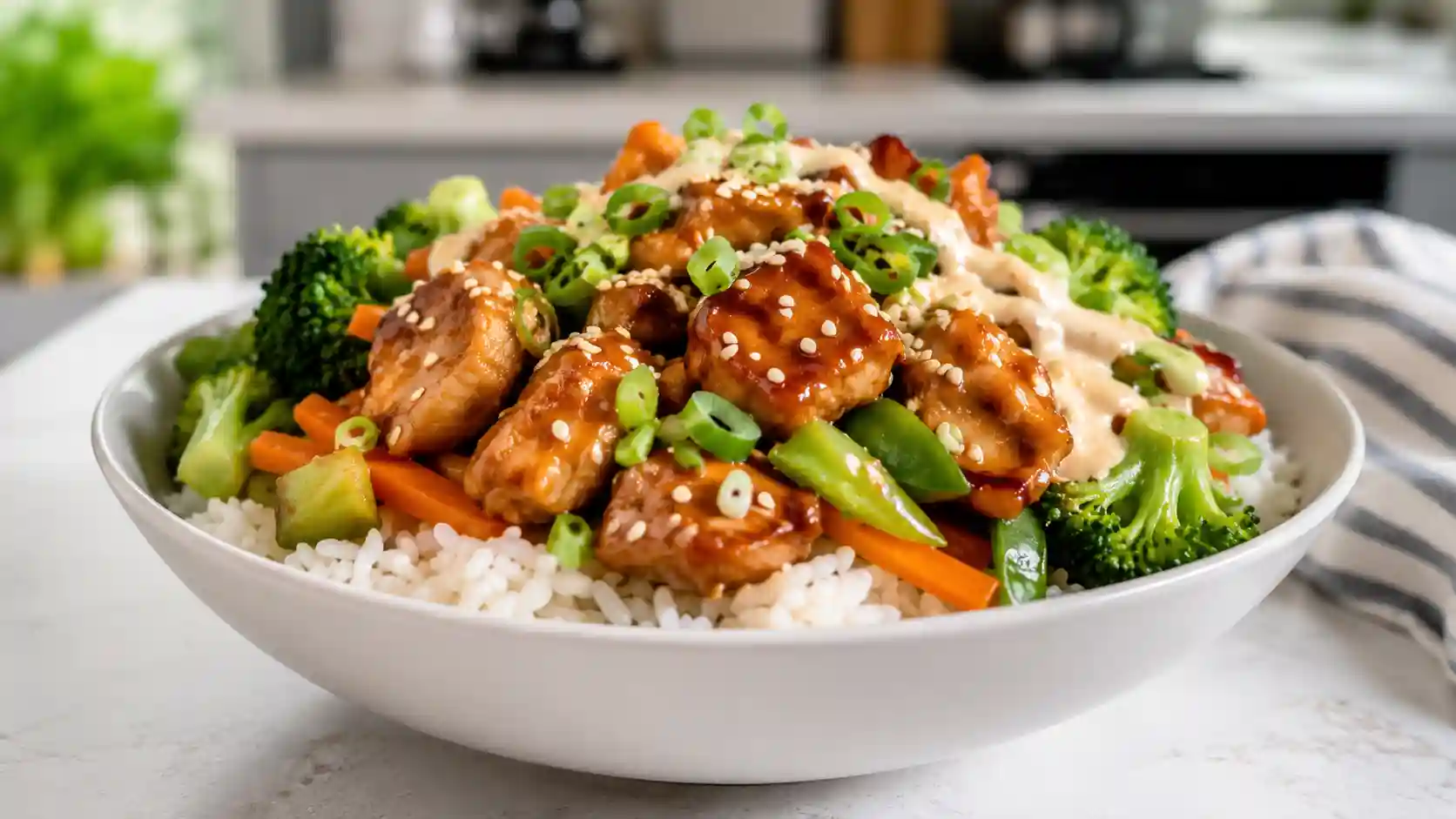
A sticky chicken rice bowl is one of those meals that earns a permanent spot in a weekly rotation. The chicken is coated in a glossy sweet-savory sauce, the rice soaks up whatever sauce drips down, and the whole thing comes together from pantry staples you probably already have on hand.
This version is built to work for meal prep just as well as it does for a weeknight dinner. The sauce is simple, the vegetables are flexible, and the whole bowl reheats well with a few easy storage habits. If you enjoy practical chicken rice bowls, the buffalo chicken rice bowl is another solid option in the same format.
Quick Answer
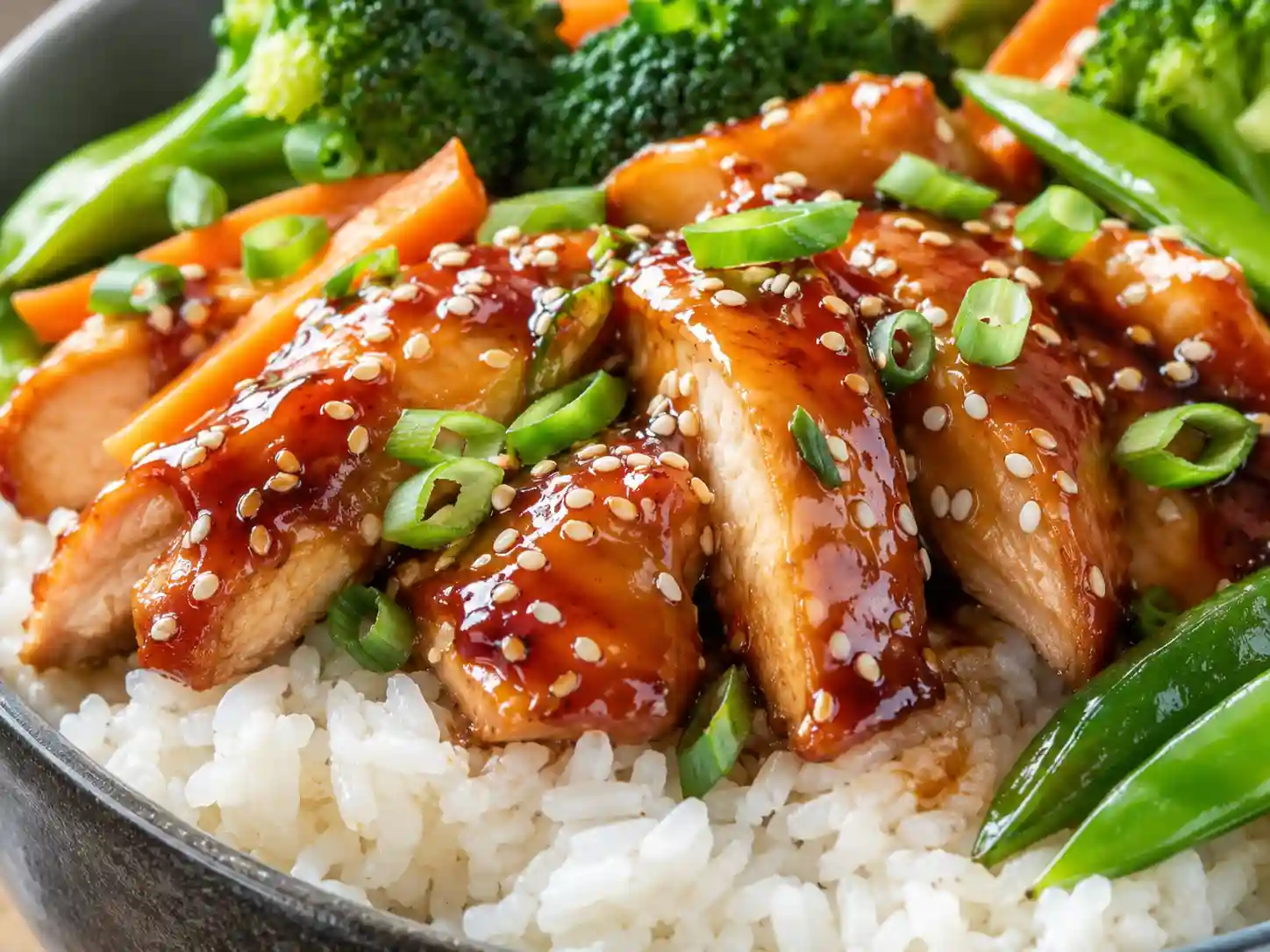
A sticky chicken rice bowl is a high-protein meal prep bowl made with bite-sized chicken, rice, vegetables, and a glossy sweet-savory sauce. This version uses a soy-honey sauce with garlic, ginger, rice vinegar, and sesame oil, then pairs it with broccoli, carrots, snap peas, cabbage, sesame seeds, and green onions.
Quick Recipe Snapshot
| Detail | Info |
|---|---|
| Main protein | Chicken breast or boneless skinless chicken thighs |
| Base | White rice, brown rice, microwave rice, or leftover rice |
| Sauce style | Glossy soy-honey sauce with garlic, ginger, rice vinegar, and sesame oil |
| Vegetables | Broccoli, carrots, snap peas, cabbage, and green onions |
| Toppings | Sesame seeds, green onions, optional red pepper flakes |
| Optional drizzle | Sriracha mayo or Greek yogurt drizzle |
| Meal prep friendly | Yes, best for 3 to 4 days when stored properly |
| Budget friendly | Yes, built from chicken, rice, frozen or fresh vegetables, and pantry sauce ingredients |
| Prep time | 15 minutes |
| Cook time | 20 minutes |
| Total time | 35 minutes |
| Servings | 4 servings |
For more easy chicken bowl combinations, see these chicken rice bowl recipes.
Why You’ll Like This Sticky Chicken Rice Bowl
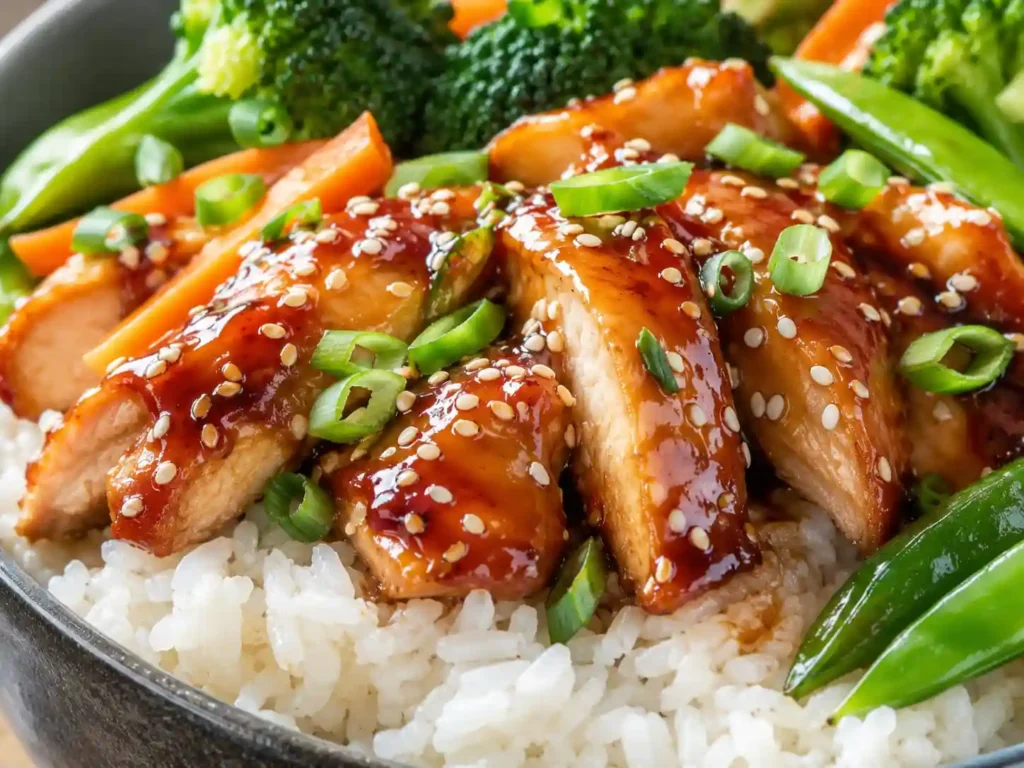
There are a few things that make this bowl worth repeating.
The sauce is genuinely good. A well-made sticky sauce is glossy, sweet, savory, and just thick enough to coat the chicken without pooling at the bottom of the bowl. It takes about five minutes to mix and uses ingredients that are already in most pantries.
The rice base keeps things simple. White rice, brown rice, leftover rice, and microwave pouches all work. The base is flexible and forgiving, and it absorbs the sauce in all the right ways.
The vegetables are adaptable. Broccoli, carrots, snap peas, shredded cabbage, and green onions are all practical choices that hold up well in meal prep containers. You can swap in whatever you have without changing the feel of the bowl.
It meal preps well. The chicken and sauce stay glossy after reheating when stored correctly. This bowl works well across several days of lunches without feeling tired by day three.
It works for lunch or dinner. Pack it for work in airtight containers or serve it fresh for a weeknight dinner with a few extra toppings. Either way, the format holds up.
Ingredients You’ll Need
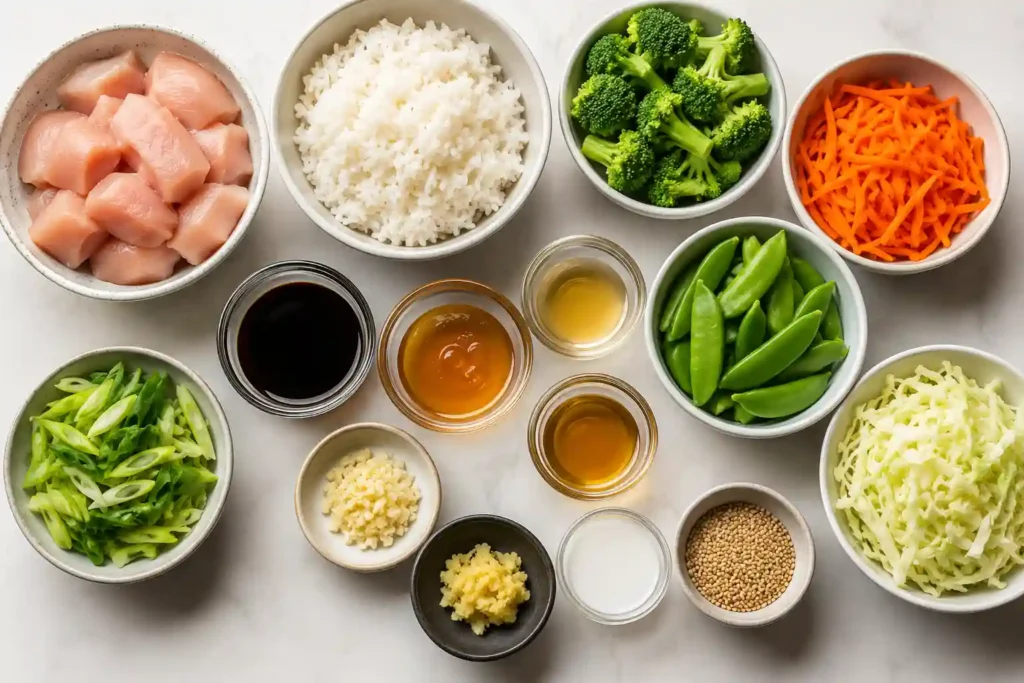
Chicken
- Boneless, skinless chicken breast or chicken thighs, cut into bite-sized pieces
- Neutral cooking oil
- Salt and black pepper
- Optional: a light coating of cornstarch on the chicken before cooking for better sauce adhesion
Rice
- White rice or brown rice, cooked
- Optional: microwave rice pouches or leftover rice
Sticky Sauce
- Low-sodium soy sauce
- Honey
- Rice vinegar
- Minced garlic
- Fresh or ground ginger
- Sesame oil
- Cornstarch mixed with cold water to form a slurry
- Optional: sriracha or red pepper flakes for heat
Vegetables
- Broccoli florets, fresh or frozen
- Carrots, thinly sliced or shredded
- Snap peas
- Shredded cabbage
- Green onions, sliced
Toppings
- Sesame seeds, toasted or plain
- Sliced green onions
- Red pepper flakes, optional
- Extra drizzle of sesame oil, optional
Optional Drizzle
- Sriracha mayo: mix mayonnaise with sriracha to taste
- Greek yogurt drizzle: plain Greek yogurt thinned with a small amount of soy sauce and rice vinegar
- Extra sticky sauce on the side in a small cup
Budget-Friendly Ingredient Notes
Chicken: Chicken thighs are usually cheaper per pound than chicken breast, stay juicier through cooking, and hold up better after reheating. Chicken breast works well too and produces a leaner result. Either cut works with the same sauce and method.
Rice: White rice is the most affordable base option and cooks fastest. Brown rice is a good alternative with a slightly nuttier flavor. Microwave rice pouches are a reliable shortcut for busy nights. Leftover rice reheated with a splash of water works just as well as freshly cooked rice for this bowl.
Soy sauce: Low-sodium soy sauce is the better choice here because the sauce reduces and concentrates during cooking. Regular soy sauce can make the final result overly salty. Start with less and adjust to taste.
Honey: Store-brand honey works fine. The honey provides sweetness and helps the sauce caramelize into that glossy finish. Brown sugar can be used as a substitute in a pinch, though the depth of flavor is slightly different.
Rice vinegar: Rice vinegar adds brightness and balances the sweetness of the honey. Apple cider vinegar is a workable substitute if rice vinegar is not available.
Vegetables: Frozen broccoli is one of the most practical and affordable options for this bowl. Thaw it fully and pat it dry before adding it to the pan to prevent steaming. Shredded cabbage and carrots are two of the cheapest fresh vegetables per pound and hold up well in meal prep containers.
Cornstarch: A small amount of cornstarch mixed with cold water and stirred into the sauce at the end is what creates the glossy, thick texture. Without it, the sauce stays thin and watery. Arrowroot powder is a substitute if preferred.
How to Make a Sticky Chicken Rice Bowl
Cook the Rice
Start the rice first since it takes the longest. Use a rice cooker, stovetop, or microwave pouch. If using leftover rice, reheat it covered with a splash of water until steaming and fluffy. Fluff with a fork before building the bowls.
Mix the Sticky Sauce
In a small bowl, whisk together low-sodium soy sauce, honey, rice vinegar, minced garlic, ginger, and sesame oil. In a separate small cup, mix cornstarch with cold water to form a smooth slurry. Keep both ready near the stove before you start cooking the chicken.
Cook the Chicken
Cut the chicken into bite-sized pieces and season lightly with salt and pepper. For better sauce adhesion, toss the pieces in a light dusting of cornstarch before cooking. Heat neutral oil in a skillet over medium-high heat. Add the chicken in a single layer without crowding the pan. Cook without moving until the bottom is golden, then flip and cook through. Use an instant-read thermometer to confirm the thickest piece has reached 165°F, which is the safe minimum internal temperature for poultry according to USDA FSIS guidance.
Thicken the Sauce
Reduce the heat to medium. Pour the sauce mixture over the cooked chicken in the skillet. Stir to coat. After about 30 seconds, stir in the cornstarch slurry. Continue stirring gently as the sauce heats and thickens. It should become glossy and thick enough to coat the back of a spoon within a minute or two. Remove from heat promptly once thickened. Honey-based sauces can burn quickly if left on high heat too long.
Add the Vegetables
Vegetables can be cooked in the same skillet before the sauce step, or steamed separately. If cooking in the skillet, remove the cooked chicken first, add a small amount of oil, cook the vegetables until just tender, then return the chicken and pour the sauce over everything. If using frozen broccoli, thaw it fully and pat dry before adding to the pan to avoid excess moisture that will thin the sauce.
Build the Bowls
Add a scoop of rice to each bowl or container. Top with the sticky chicken and vegetables. Spoon any remaining sauce from the pan over the top. Add sesame seeds, sliced green onions, and any optional drizzle right before serving. If meal prepping, keep fresh toppings and drizzle in separate containers.
How to Meal Prep Sticky Chicken Rice Bowls
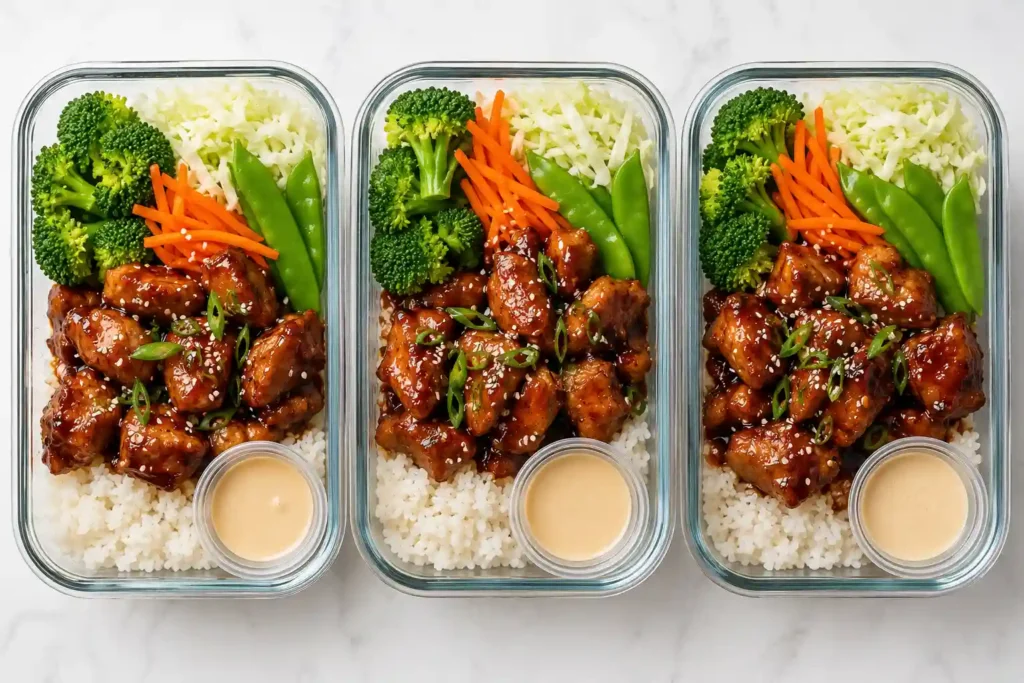
This bowl is one of the more reliable options for packed lunches. For a complete budget meal prep system, the cheap high protein meal prep guide covers batch cooking, protein planning, and weekly storage strategies in detail.
If you want a bigger weekly system using the same chicken and rice base, this chicken and rice meal prep guide can help.
What to pack together: Cooked rice, sticky chicken, and cooked vegetables store well together in airtight containers. The sauce coats the chicken and stays glossy in the fridge without breaking down overnight.
What to store separately: Keep sesame seeds, sliced green onions, and any creamy drizzle in separate small cups or bags. Add them right before eating. Sesame seeds lose their crunch when stored in a wet container for several days.
How to keep vegetables from getting too soft: Slightly undercook the vegetables when prepping for meal prep. They will soften a little more each time the container is reheated, so pulling them from the heat just before they are fully tender gives them more staying power through the week.
How to keep sauce from making the bowl watery: Make sure the sauce is fully thickened before adding it to meal prep containers. A thin sauce will separate and pool in the container over several days. Storing the drizzle separately in small sauce cups also helps.
If you are packing these for work lunches, the high protein lunch ideas guide has more ideas for building a practical lunch rotation around bowls like this one.
How to Keep the Sauce Glossy, Not Watery
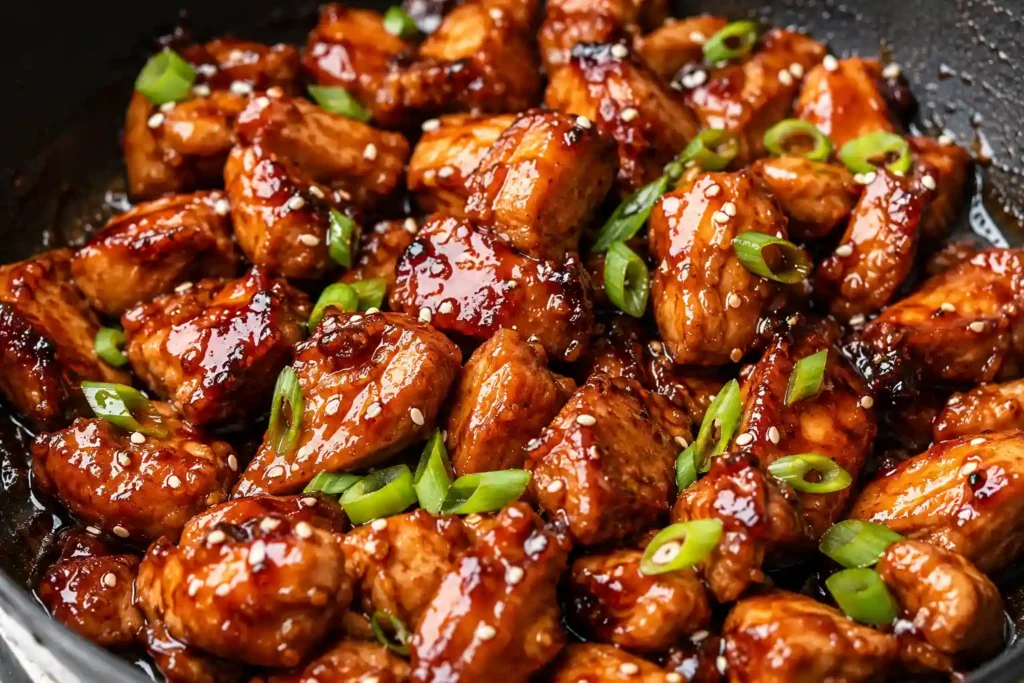
A thin, watery sauce is the most common problem with sticky chicken bowls. Here is how to avoid it.
- Use a cornstarch slurry. Mix cornstarch with cold water in a separate cup before adding it to the sauce. Adding dry cornstarch directly to a hot liquid creates lumps and does not thicken evenly. A smooth slurry stirred in at the end gives you consistent results.
- Simmer briefly until thickened. After adding the slurry, give the sauce about one to two minutes over medium heat while stirring. It thickens quickly once it reaches a simmer. Do not walk away from the pan.
- Do not over-dilute the sauce. Sticking to the ratios in the recipe and avoiding the temptation to add extra soy sauce or water after the sauce is mixed prevents a watery result. If the sauce tastes too strong before cooking, adjust honey or rice vinegar rather than adding water.
- Keep watery vegetables out of the sauce. Thawed frozen vegetables release a significant amount of moisture. Pat them dry before adding them to the pan. Raw vegetables added directly to a hot sauce will also release water as they cook.
- Do not add drizzle too early. Sriracha mayo or yogurt drizzle added before storing will thin the sauce in the container overnight. Keep it separate and add it after reheating.
- Reheat gently. Microwave on medium power with the container partially covered. High heat can break down the sauce texture and make it thin and greasy. Stir halfway through reheating to redistribute the sauce evenly.
Easy Variations
Less Spicy
Skip the sriracha and red pepper flakes entirely. The sauce is naturally sweet and savory without any heat. For a mild finish, add a small drizzle of plain sesame oil instead of any hot sauce elements.
More Spicy
Add sriracha directly to the sauce before cooking. Start with a small amount and adjust to taste. Red pepper flakes on top of the finished bowl add visible heat and a little extra crunch. Sliced fresh chili is another option for a sharper, more direct heat.
More Vegetables
Bell peppers, edamame, frozen peas, baby corn, or thinly sliced zucchini all work well in this format. Add softer vegetables like peas or edamame at the end of cooking so they warm through without turning mushy. Sturdier vegetables like bell pepper and zucchini can go in earlier.
No Mayo Drizzle
Skip the sriracha mayo entirely or replace it with a plain Greek yogurt sauce thinned with a small amount of soy sauce and rice vinegar. This gives a similar creamy cooling effect without the mayo. The Greek yogurt version is tangy, cools the heat of the sauce, and pairs well with the sesame flavor.
Leftover Chicken Shortcut
Leftover cooked chicken, rotisserie chicken, or any previously cooked chicken works well here. Warm it through in a skillet over medium heat, then add the sauce and follow the same thickening steps. This shortcut cuts the active cooking time significantly and is a practical option for midweek meals. See the ground chicken protein bowl for another practical format that uses a similar approach with ground chicken instead.
What to Serve With It
This bowl is filling on its own, but a few simple additions round it out for a larger dinner.
- Simple cucumber salad: Thinly sliced cucumber with rice vinegar, a pinch of salt, and sesame seeds. Ready in two minutes and a natural match for the sauce flavors.
- Steamed edamame: A quick, practical side that adds texture and works well alongside the bowl.
- Extra rice: Useful if serving a larger group or a hungrier crowd.
- Warm flatbread: Works if you want to scoop the bowl contents into a wrap instead of eating it as a bowl.
- Sparkling water with lime or cucumber: Complements the savory sauce without any extra effort.
Storage and Reheating
Refrigerator storage: Store cooked chicken, rice, and vegetables in airtight containers in the refrigerator. According to USDA FSIS guidance, cooked leftovers can generally be kept for 3 to 4 days when stored properly. Refrigerate within 2 hours of cooking, or within 1 hour if the temperature is above 90°F. Keep refrigerated containers at 40°F or below.
Reheating: Reheat the rice and chicken portion in the microwave on medium power, partially covered, until the entire portion is steaming hot throughout. According to USDA FSIS guidance, leftovers should reach an internal temperature of 165°F before eating. Stir halfway through reheating to distribute heat evenly and prevent the sauce from scorching. Add cold toppings, sesame seeds, green onions, and any drizzle after reheating.
Freezing: Cooked chicken and rice can be frozen if needed. Allow both to cool fully before freezing in airtight containers or freezer bags. Note that the sauce texture and the texture of cooked vegetables may change after freezing and thawing. Thaw overnight in the refrigerator and reheat to 165°F before eating. Fresh toppings and drizzle should not be frozen.
Food safety note: Always use an instant-read thermometer to confirm safe cooking and reheating temperatures. Do not leave cooked chicken or rice at room temperature for more than 2 hours.
Common Mistakes to Avoid
- Sauce too thin: The most common problem. Always use a cornstarch slurry and give the sauce enough time over medium heat to thicken properly before removing from the pan.
- Sauce too salty: Use low-sodium soy sauce and taste the sauce before cooking. Soy sauce concentrates as the sauce reduces, so starting with less and adjusting after cooking is easier than trying to correct an overly salty bowl.
- Overcooked chicken: Use a thermometer and pull the chicken at exactly 165°F. Chicken breast dries out quickly past that point. Chicken thighs are more forgiving but can also become tough if left too long.
- Burned honey sauce: Honey caramelizes fast over high heat. Once the sauce goes into the pan, reduce to medium and watch it closely. A glossy sauce can turn bitter and dark in under a minute if the heat is too high.
- Soggy vegetables: Pat frozen vegetables dry before cooking. Do not add watery vegetables directly to a hot sauce. Slightly undercook vegetables for meal prep so they hold their texture after reheating.
- Rice getting wet: A thin sauce stored overnight pools into the rice and makes it soggy. Fully thicken the sauce before packing. Keep any extra sauce in a small separate cup.
- Toppings added too early: Sesame seeds, green onions, and drizzle should be added right before eating. Stored in the container overnight, they lose their texture, freshness, and visual appeal.
Sticky Chicken Rice Bowl

Sticky Chicken Rice Bowl
Ingredients
Equipment
Method
- Start the rice first using a rice cooker, stovetop, or microwave pouch. If using leftover rice, reheat it covered with a splash of water until steaming and fluffy. Fluff with a fork.
- In a small bowl, whisk together the low-sodium soy sauce, honey, rice vinegar, garlic, ginger, sesame oil, and optional sriracha.
- In a separate small cup, mix 1 tablespoon cornstarch with 2 tablespoons cold water until smooth to make a slurry. Set aside near the stove.
- Season the chicken pieces with salt and black pepper. For better sauce adhesion, toss the chicken with the optional 2 tablespoons cornstarch until lightly coated.
- Heat the neutral oil in a large skillet over medium-high heat. Add the chicken in a single layer without crowding the pan. Cook without moving until the bottom is golden, then flip and continue cooking until the chicken reaches 165°F.
- If cooking the vegetables in the same skillet, transfer the cooked chicken to a plate. Add the broccoli, carrots, snap peas, and cabbage to the skillet and cook until just tender. Slightly undercook the vegetables if preparing for meal prep.
- Return the chicken to the skillet with the vegetables. Reduce the heat to medium and pour the sticky sauce mixture over everything. Stir to coat.
- Stir in the cornstarch slurry. Cook for 1 to 2 minutes, stirring gently, until the sauce becomes glossy and thick enough to coat the chicken. Remove from the heat promptly so the honey sauce does not burn.
- Divide the cooked rice among 4 bowls or meal prep containers. Top with sticky chicken, vegetables, and any remaining sauce from the pan.
- Finish with sesame seeds, sliced green onions, red pepper flakes, and optional sriracha mayo or Greek yogurt drizzle right before serving.
- For meal prep, store the rice, chicken, and cooked vegetables together in airtight containers. Keep sesame seeds, green onions, and any drizzle separate until ready to eat.
Notes
FAQ
Yes. Cook the chicken with the sticky sauce, prepare the rice, and cook the vegetables ahead of time. Store them together in airtight containers in the refrigerator for up to 3 to 4 days per USDA FSIS guidance. Keep sesame seeds, green onions, and creamy drizzle in separate small containers and add them right before eating.
Use a cornstarch slurry and let the sauce simmer briefly over medium heat until it is glossy and thick before removing it from the pan. Pat vegetables dry before adding them to the pan to prevent excess moisture from thinning the sauce. Store any extra sauce in a small separate cup rather than pouring it all over the rice before storing.
Yes, and for meal prep they are often the better choice. Chicken thighs stay juicier through reheating and are usually cheaper per pound than chicken breast. The sticky sauce works equally well with both cuts. Cut thighs into bite-sized pieces and follow the same cooking method.
Broccoli, carrots, snap peas, shredded cabbage, and green onions are the most practical choices. They hold up well in meal prep containers, absorb the sauce flavor, and add crunch and color to the bowl. Frozen broccoli and shredded carrots are two of the most affordable options and require minimal prep work.
Yes. Both work well. Reheat leftover rice covered with a splash of water until steaming. Microwave rice pouches take about 90 seconds and produce a consistent result. Either option saves time without changing the quality of the finished bowl.
Yes, it can be high in protein when chicken is the main ingredient. The final protein amount depends on the chicken portion, rice amount, vegetables, sauce, and toppings.
More Meal Prep Bowl Ideas
If this bowl fits your routine, here are a few related ideas that use the same practical format.
The street corn chicken rice bowl uses a creamy chili-lime corn topping over seasoned chicken and rice for a completely different flavor direction with the same budget-friendly approach.
For quick weeknight dinners beyond bowls, the easy protein dinner ideas list covers a range of practical options built around the same everyday ingredients.
For more affordable dinners built around simple protein staples, browse these high protein dinners on a budget.
If you want to build a full week of meals around bowls like this one, the high protein meal plan for beginners is a useful starting point for structuring prep day and mapping out the week ahead.